ICT Turtle Soup Strategy

Popular ICT strategy using NWOGs, CISD, and FVGs for precise intraday 5-min trades.

The ICT Turtle Soup Strategy is a liquidity-based reversal and continuation model inspired by ICT, Inner Circle Trader, concepts. The core idea is that time-based liquidity levels, such as session highs and lows, previous day highs and lows, and New Week Opening Gaps, act as magnets for price. When these levels are swept, the market frequently reverses, creating high-probability entry opportunities in the opposite direction. The strategy is traded on the 5-minute chart, primarily on NQ or ES during the New York AM session after 9:30 AM.

Rather than forcing trades, the model requires patience: first identify where price is most likely heading next, then wait for a liquidity sweep and a structural confirmation before entering. Two distinct entry triggers are defined: a CISD retest for reversal setups, and an FVG retest for continuation setups, each with its own checklist and risk parameters. The strategy is flexible enough to be tested on other assets and sessions, making it a useful framework beyond its primary NQ/ES application.

How the strategy works

Key concepts

Fair Value Gap, FVG

A three-candle pattern where the wicks of the first and third candle do not overlap, leaving a gap or imbalance in price. FVGs act as magnets for price to retest and can be used as entry zones for continuation trades.

Change in State of Delivery, CISD

A candle that closes past the body of a recent price leg, signalling a potential change in trend direction. A bullish CISD closes above a recent bearish leg; a bearish CISD closes below a recent bullish leg. Doji or small-bodied candles do not qualify.

Time-Based Liquidity, TBL

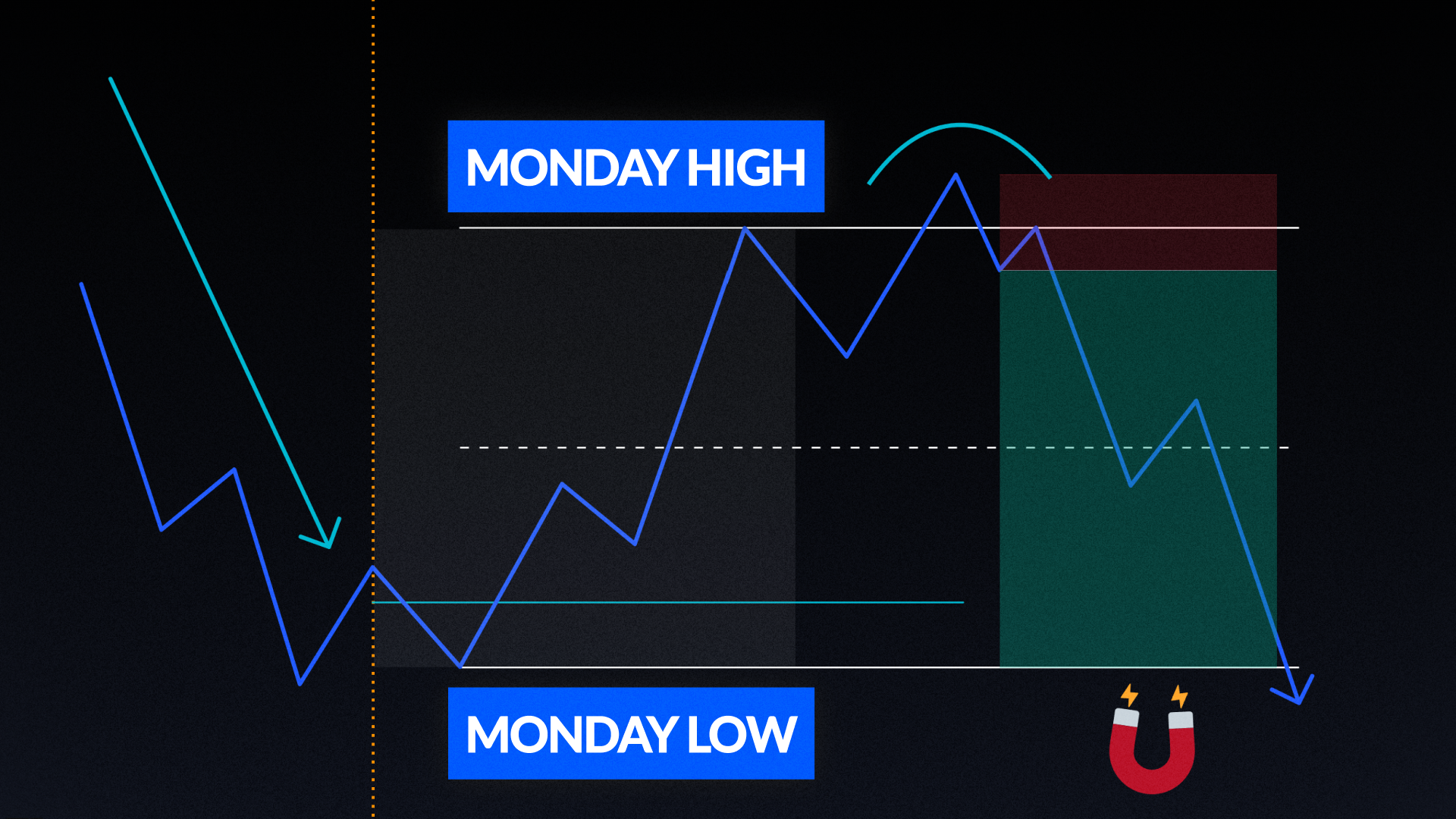
Session highs and lows, and previous day highs and lows, also referred to as PDH/PDL and BSL/SSL. These levels accumulate stop orders and act as the primary targets for price sweeps. A sweep of TBL is the prerequisite for the CISD reversal entry.

New Week Opening Gap, NWOG

The price gap that forms between Friday’s closing price and Sunday’s opening price. NWOGs serve as both draw on liquidity targets and support/resistance levels. The Silver Bullet indicator, 2-5 NWOGs setting, is used to track these within FX Replay.

Premium / Discount

A framework for assessing whether price has rebalanced after a large move. Price trading in premium, above the midpoint of a range, suggests it may need to discount. Price in discount may need to rebalance to premium. Useful for confirming directional bias.

Recommended FX Replay indicators

Session Indicator NY

London session, 3-8am NY time.

Session Indicator

Asia session, 0-6am UTC.

Silver Bullet Indicator

2-5 NWOGs setting.

FVG Indicator by FX Replay

Auto-plots fair value gaps.

Entry triggers

Two distinct entry setups apply depending on whether bias is reversal or continuation.

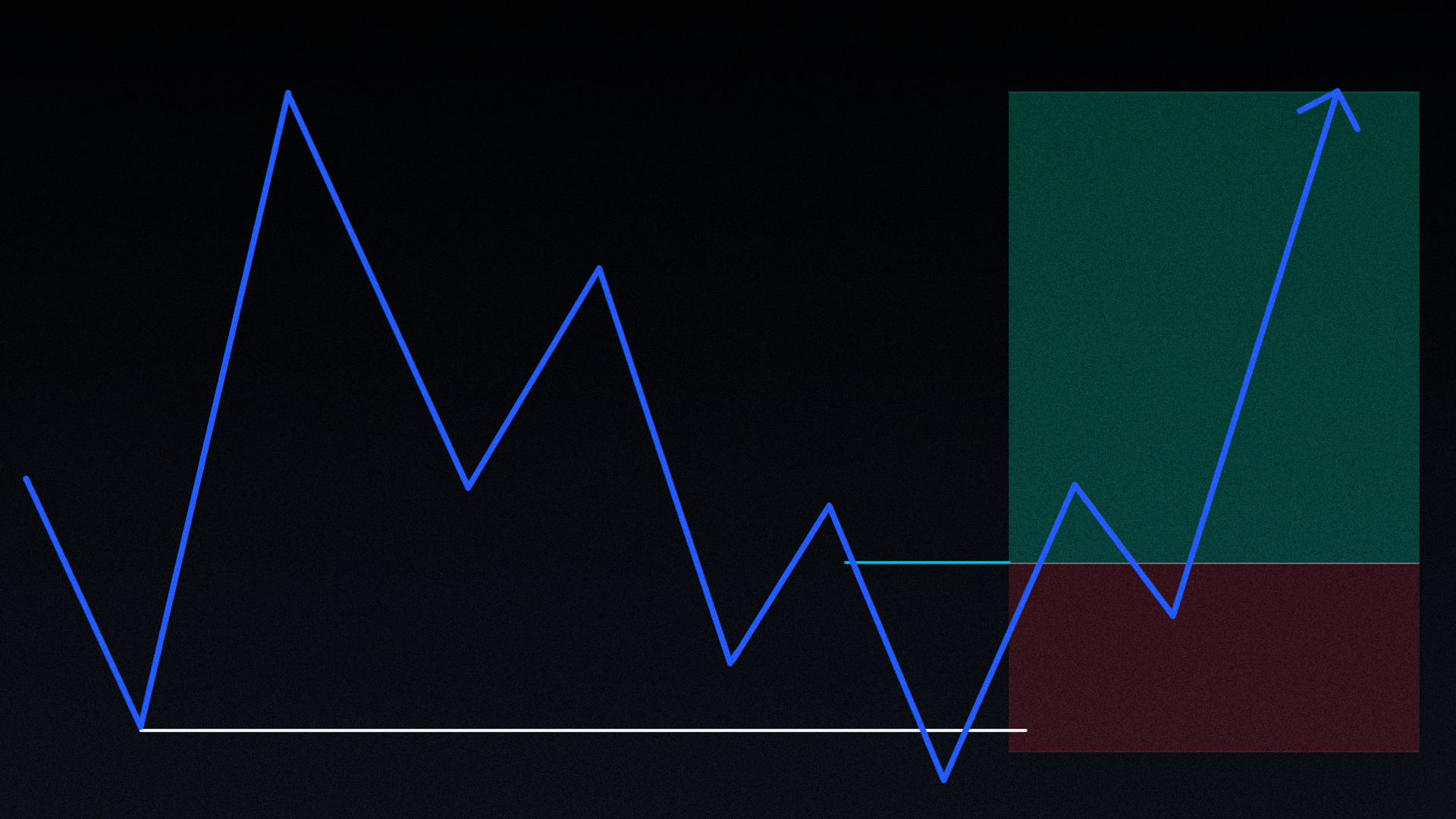
Trigger #1: CISD Retest, Reversal

  • Wait for a TBL sweep, Asia or London high or low.
  • Bias shifts to reversal.
  • Wait for a CISD candle to form.
  • Enter on the CISD retest with limit order.
  • Stop loss at the recent high or low.
  • Target opposing liquidity, 1.5R or more.

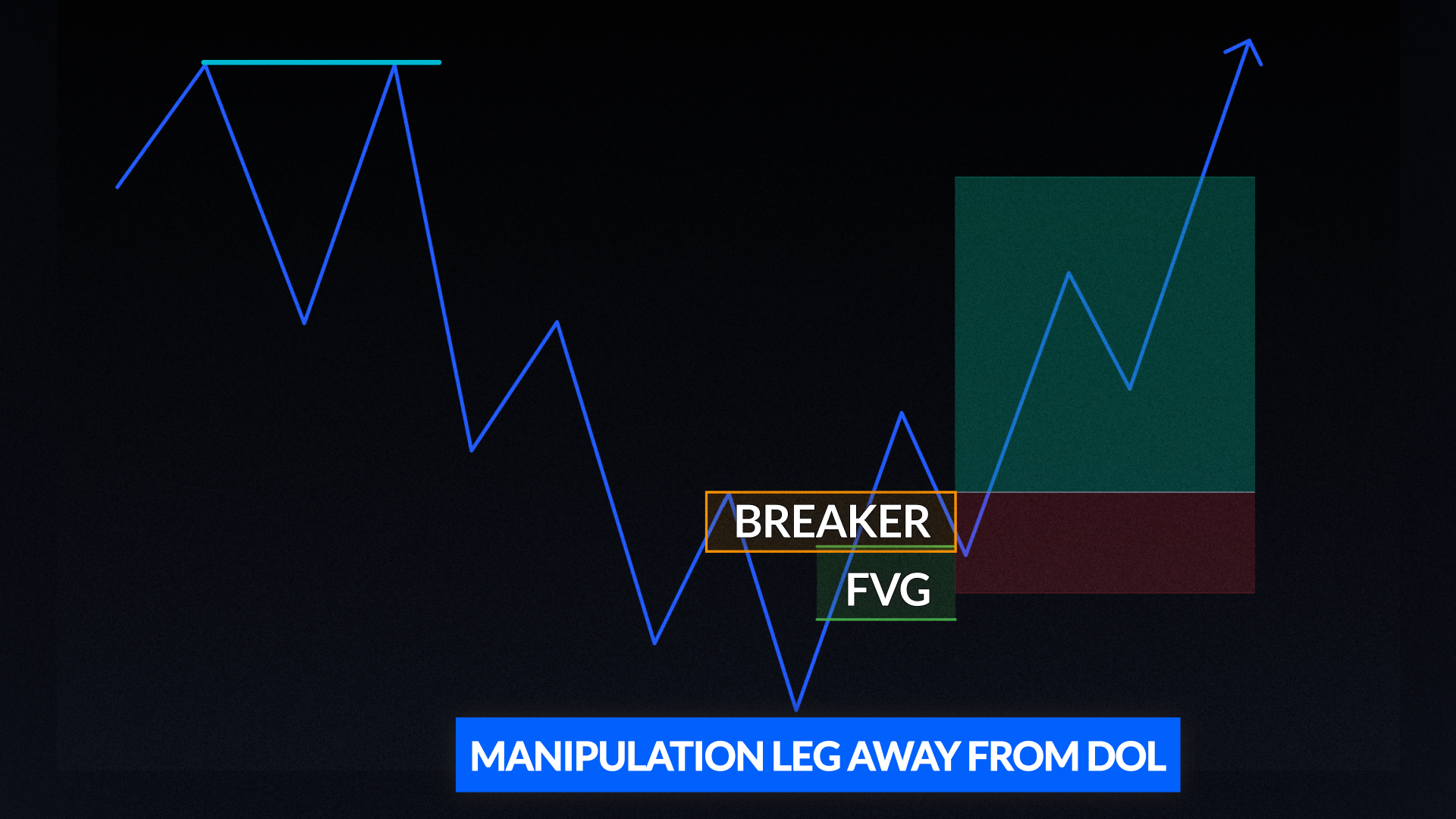
Trigger #2: FVG Retest, Continuation

  • Identify the likely next draw on liquidity.
  • Price has already started a reversal.
  • Look for an FVG to form on the retracement.
  • Enter on the FVG retest with limit order.
  • Stop loss at the high or low of the FVG candle.
  • Target fixed 2R.

Trade checklists

CISD Retest

  • Time-based liquidity sweep confirmed, with Asia or London session high or low taken out.
  • Reversal bias established based on the sweep direction and premium/discount context.
  • Limit entry placed on the CISD retest.
  • Target opposing liquidity for 1.5R or more.

FVG Retest

  • Next draw on liquidity identified after price has already begun its reversal.
  • A valid FVG has formed. Use the first FVG in a series unless highly confident in a more recent one immediately after open.
  • Limit entry on FVG retest.
  • Stop loss at the high or low of the candle that created the FVG.
  • Fixed 2R take profit.

No trade management. Let trades run to the stop or take profit. Cancel limit orders if the target is hit before entry. If any parameters are missing, trade quality is reduced. Aim for A+ setups only.
Watch & Learn

Get PDF
Table of contents

Have questions?
We’ve got answers.

Couldn't find your question here?
Go check out our Help Center below!

Help center

Can this strategy be used on assets other than NQ and ES?

Yes, the PDF notes that the model is flexible and can be tested across other assets and sessions. The core concepts of TBL sweeps, FVGs, and CISD are not instrument-specific. FX Replay supports a wide range of assets including forex pairs, gold, and other indices, so you can adapt and test the framework wherever session-based liquidity levels are clearly defined.

How do I identify the directional bias before entering a trade?

Bias is built from three inputs: time-based liquidity, NWOGs, and the premium/discount framework. After a TBL sweep, price often reverses, and that sweep is a bias signal. After a large move, price frequently needs to rebalance toward the midpoint of a range. NWOGs can act as either targets or support/resistance. Combining these three tools gives a framework for determining where price is most likely headed next, though it takes practice to read consistently.

What is the difference between the CISD and FVG entry triggers?

The CISD retest is a reversal entry. It is used after a time-based liquidity sweep, when bias has shifted against the prior trend. The FVG retest is a continuation entry. It is used once a reversal is already underway and price pulls back to an imbalance before continuing toward the next draw on liquidity. Both use limit orders and have no active trade management once entered.

How do I get started backtesting this strategy on FX Replay?

The best way to get started is with FX Replay's 5-day free trial of the Pro plan, which gives you full access to the asset library and advanced backtesting and analytics features from day one. After signing up, you can load a session, select your instrument and date range, and start replaying price action bar by bar. The platform includes built-in trade logging, session statistics, and a journal so your results are tracked automatically as you go. Visit the Getting Started section of the FX Replay Help Center for step-by-step guides.

0xfibonacci's Crypto Confluence strategy

By

0xfibonacci

Crypto breakout-retest strategy using Volume Profile POC and 200 EMA confluence to capture reaction points and rebalancing moves.
Intermediate
Swing / Intraday
Asia
New York
Crypto
Nvidia Anchored VWAP Strategy

By

Brian Shannon

Intraday stock strategy using AVWAP levels and 2m market structure breaks to capture high-probability trades during NY session.
Easy
Intraday
New York
Stocks