Opening Range Break Strategy

Trade simple and mechanical continuation moves shortly after market open. Best when paired with clear bias or liquidity to propel price further.

The Opening Range Break (ORB) Strategy is one of the most straightforward and widely applicable setups in trading. The concept is simple: let the market establish a defined range in the opening minutes of a session, then wait for a decisive 5-minute candle close outside of that range before entering in the direction of the breakout. The opening range acts as a reference for the session's equilibrium, and when price breaks cleanly beyond it, it frequently continues in that direction toward a measurable target.

The strategy can be applied across multiple sessions and instruments, making it a flexible framework to backtest and refine. The take profit is defined using one standard deviation (1 STDV) from the Fibonacci retracement tool drawn on the opening range, giving each trade a clear and objective target. Discipline is built into the rules: a maximum of two losses per day, and the session is over after one winning trade.

How the strategy works

Sessions and instruments

Three sessions are supported, each with a defined opening range window and preferred instruments.

Session Opening range window Opening range length Preferred instruments
New York 9:30-9:45am ET 15m US indices or metals
London 3:00-3:30am ET 30m Gold or Europe indices
Asia 9:00-9:30am UTC+9 30m Gold or Asian indices

Entry methods

Two entry approaches are available depending on the size of the breakout candle relative to the potential reward.

Market Order Entry

After a 5m candle closes outside the opening range, enter at market. Entry Trigger #1 applies when the breakout is in line with the first 5m candle direction; Entry Trigger #2 applies when the breakout is against it. Stop loss at the opening range midpoint. Take profit at 1 STDV. Only use this entry if it gives at least 1R to the target.

ORB Retest Entry

If the breakout candle is too large and the market entry does not offer 1R+ to 1 STDV, use a limit order set at the opening range level for a retest entry instead. Stop loss at the midpoint, take profit at 1 STDV. Cancel the limit order if the target is hit before the entry triggers.

Trade checklist

  • Opening range marked, 15 minutes for NY session, 30 minutes for London and Asia sessions.
  • Wait for a 5m candle to close outside the opening range on either side.
  • Check for invalidations. Avoid breakouts at or near a previous session H/L with no meaningful liquidity beyond it.
  • If market entry offers 1R+ to 1 STDV: enter at market, stop at midpoint, target 1 STDV.
  • If market entry does not offer 1R+: use a limit order at the ORB level for a retest entry. Cancel if target hits before entry.
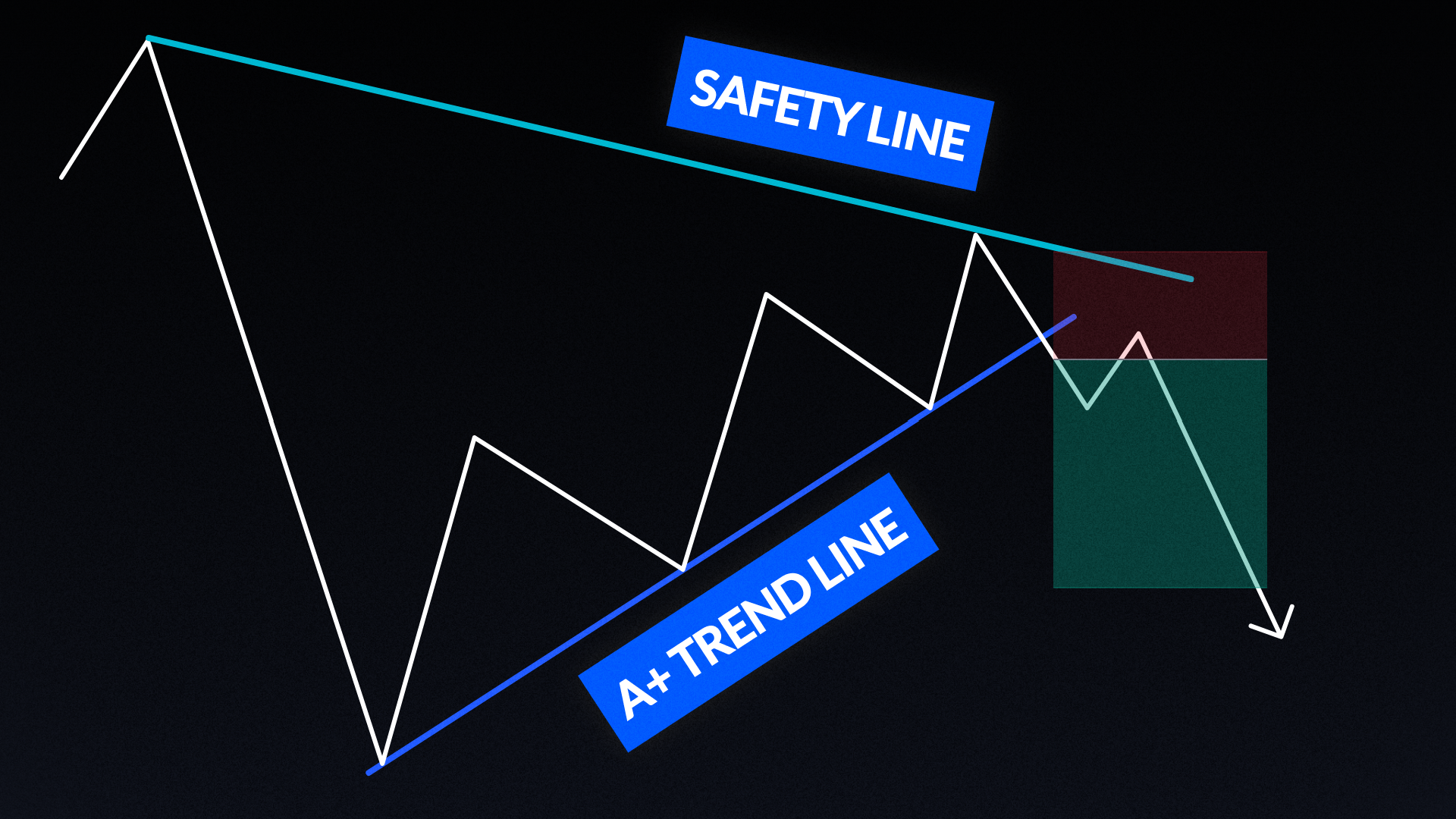
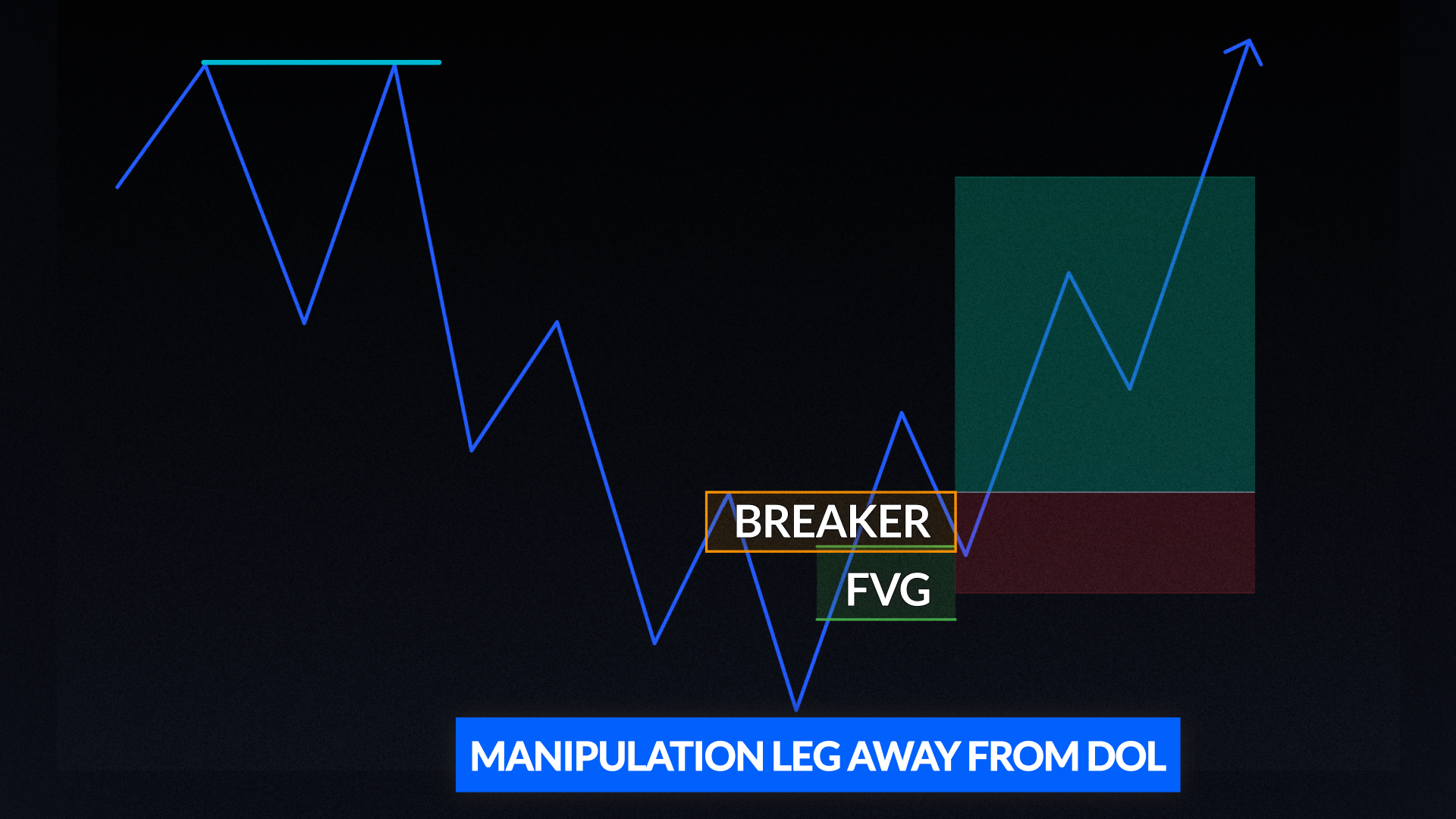
  • Consider holding runners beyond 1 STDV if trend line liquidity or MMXM conditions are present.

Maximum 2 losses per day. Done for the day after 1 winning trade. If any parameters are missing, trade quality is reduced. Aim for A+ setups only.
Watch & Learn

Get PDF
Table of contents

Have questions?
We’ve got answers.

Couldn't find your question here?
Go check out our Help Center below!

Help center

What is 1 standard deviation (1 STDV) and how do I measure it?

The 1 STDV target is measured using the Fibonacci retracement tool drawn from the high to the low of the opening range. By extending the tool beyond the 0 and 1 levels, it projects a statistical extension based on the range size. This extension point is the 1 STDV target. It gives each trade an objective, range-relative take profit rather than a fixed point or pip value, so it automatically scales to the volatility of each session.

What makes a breakout invalid and worth skipping?

The main invalidation is a breakout that occurs at or very close to a previous session high or low, with no meaningful liquidity beyond that level. In these situations, the breakout is likely to stall or reverse at the session level rather than continue, reducing the probability of reaching the 1 STDV target. If there is no clear liquidity target beyond the breakout point, the trade is lower probability and should be avoided.

When should I use the ORB retest entry instead of a market order?

Use the retest entry whenever the breakout candle is large enough that entering at market would leave less than 1R of reward to the 1 STDV target. In these cases, a limit order placed at the opening range level, waiting for price to pull back and retest the broken boundary, gives a better entry price and restores a valid risk/reward ratio. If the target is hit before the limit order triggers, cancel the order and skip the trade.

How do I get started backtesting this strategy on FX Replay?

The best way to get started is with FX Replay's 5-day free trial of the Pro plan, which gives you full access to the asset library and advanced backtesting and analytics features from day one. After signing up, you can load a session, select your instrument and date range, and start replaying price action bar by bar. The platform includes built-in trade logging, session statistics, and a journal so your results are tracked automatically as you go. Visit the Getting Started section of the FX Replay Help Center for step-by-step guides.

Bard FX Compensation Play (Nowick) Strategy

By

Bard FX

Simple price-action strategy using no-wick candles, market structure, and retests to trade trend continuation with defined risk.
Easy
Intraday
London
Asia
New York
Forex
ICT MMXM Strategy
ICT MMXM Strategy

By

ICT

Trade with smart money, identifying specific price footprints to catch smart money reversals or continuations in line with the HTF bias.
Advanced
Intraday
New York
London
Indexes